Wildlife Control
Humane Removal & Exclusion

Wildlife Control

Humane wildlife removal, exclusion, and roofline prevention across the GTA.

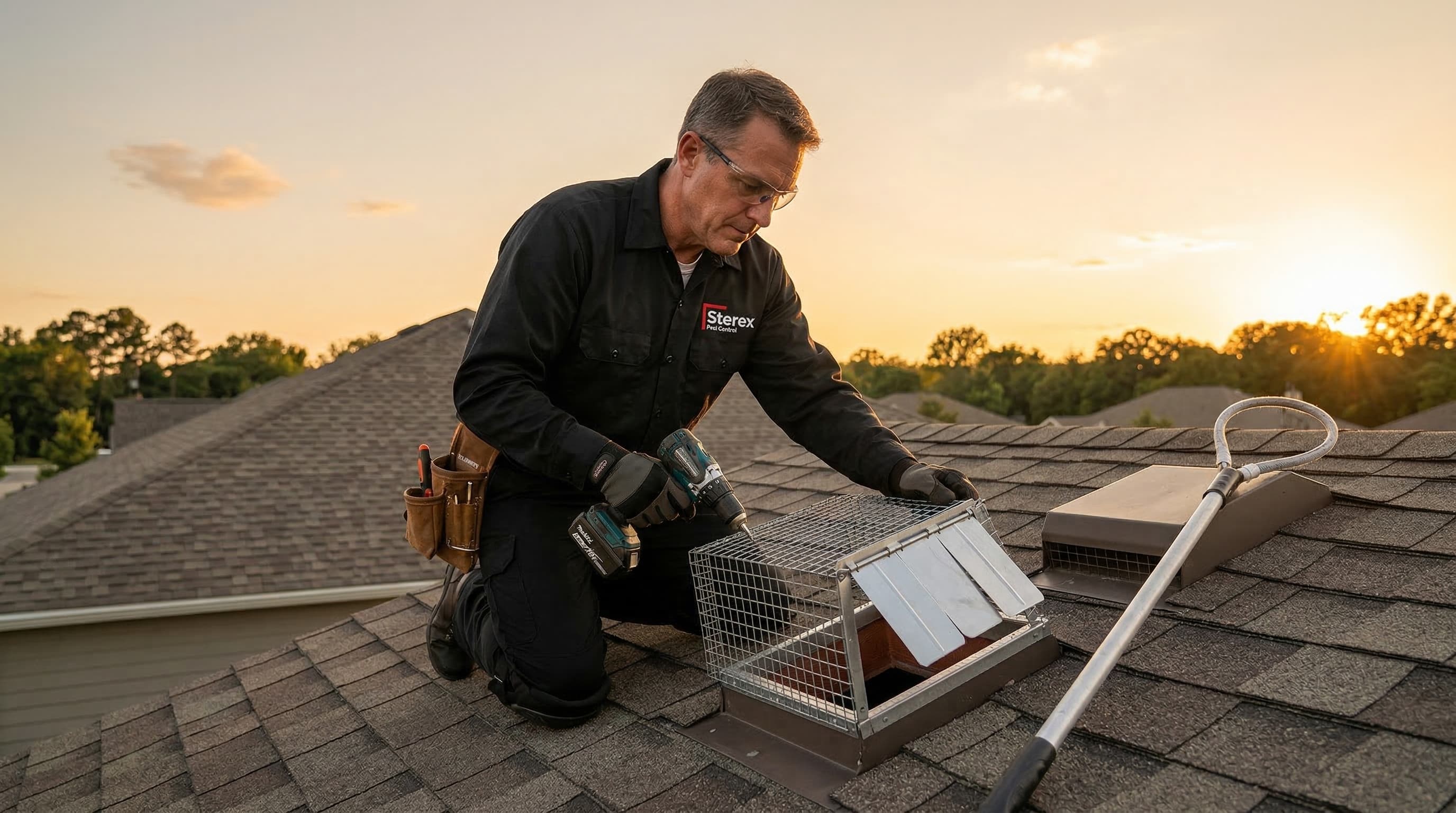
One-way door installation for humane wildlife removal

Humane exit, then repair

One-way doors let the animal leave. Follow-up sealing and repair help stop repeat entry.

Wildlife removal in the GTA

We remove the animal, find the entry point, and close the weak spot.

Sterex handles wildlife calls for homes, rentals, businesses, and property managers across Brampton, Toronto, Mississauga, Vaughan, Markham, Richmond Hill, and nearby GTA routes. The work is practical: inspect the roofline, set up humane exclusion, return for follow-up, then repair the damage the animal used.

Attic and roofline entries
One-way doors and exclusion
Sealing, mesh, and repair
Bird nests and vent covers
What we handle

Wildlife services for the most common GTA entry problems.

Raccoons, squirrels, birds, and bats need different handling. The common thread is the same: confirm the activity, protect the animal from being sealed inside, and close the building properly.

Raccoon removal and exclusion for GTA homes
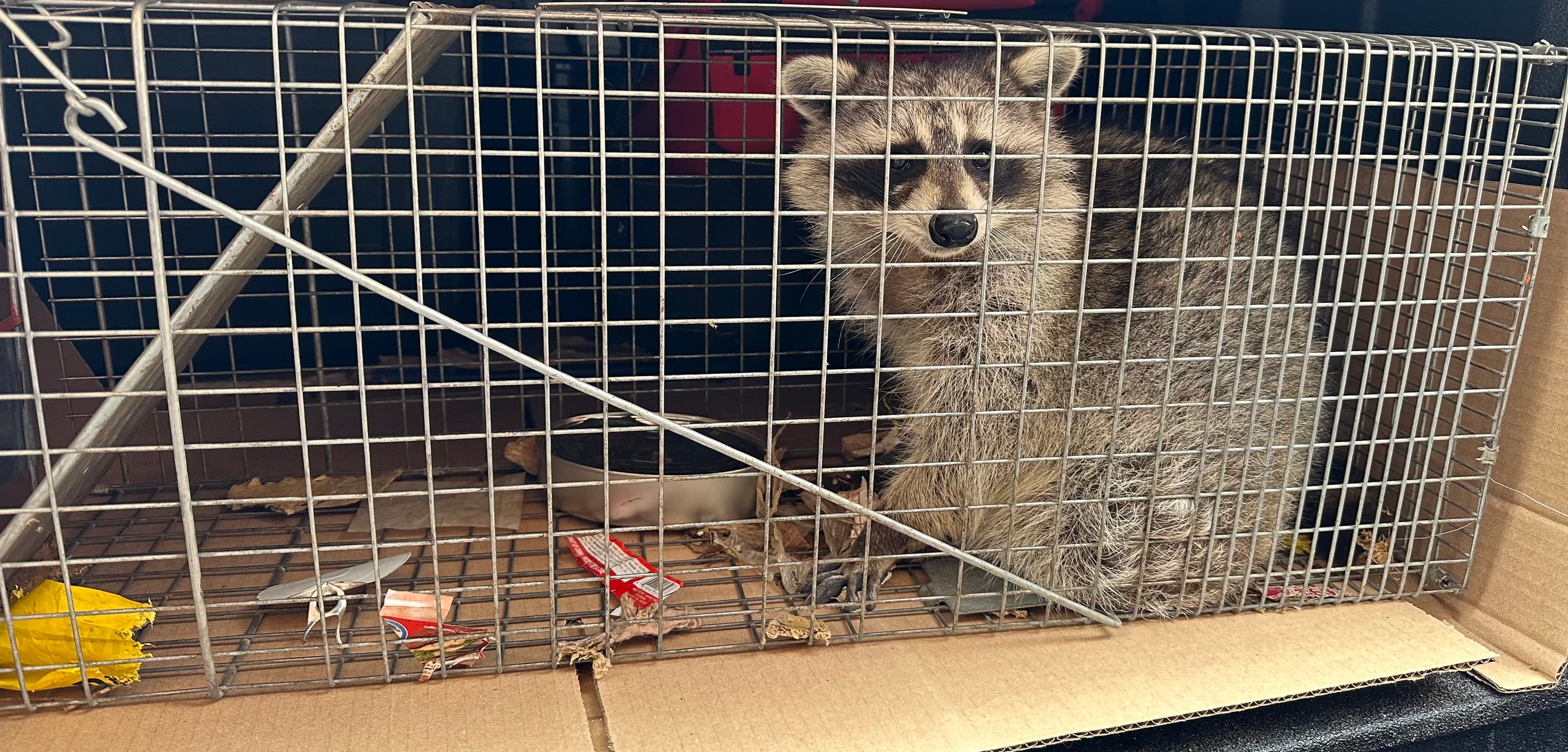
Raccoon removal

Raccoon removal

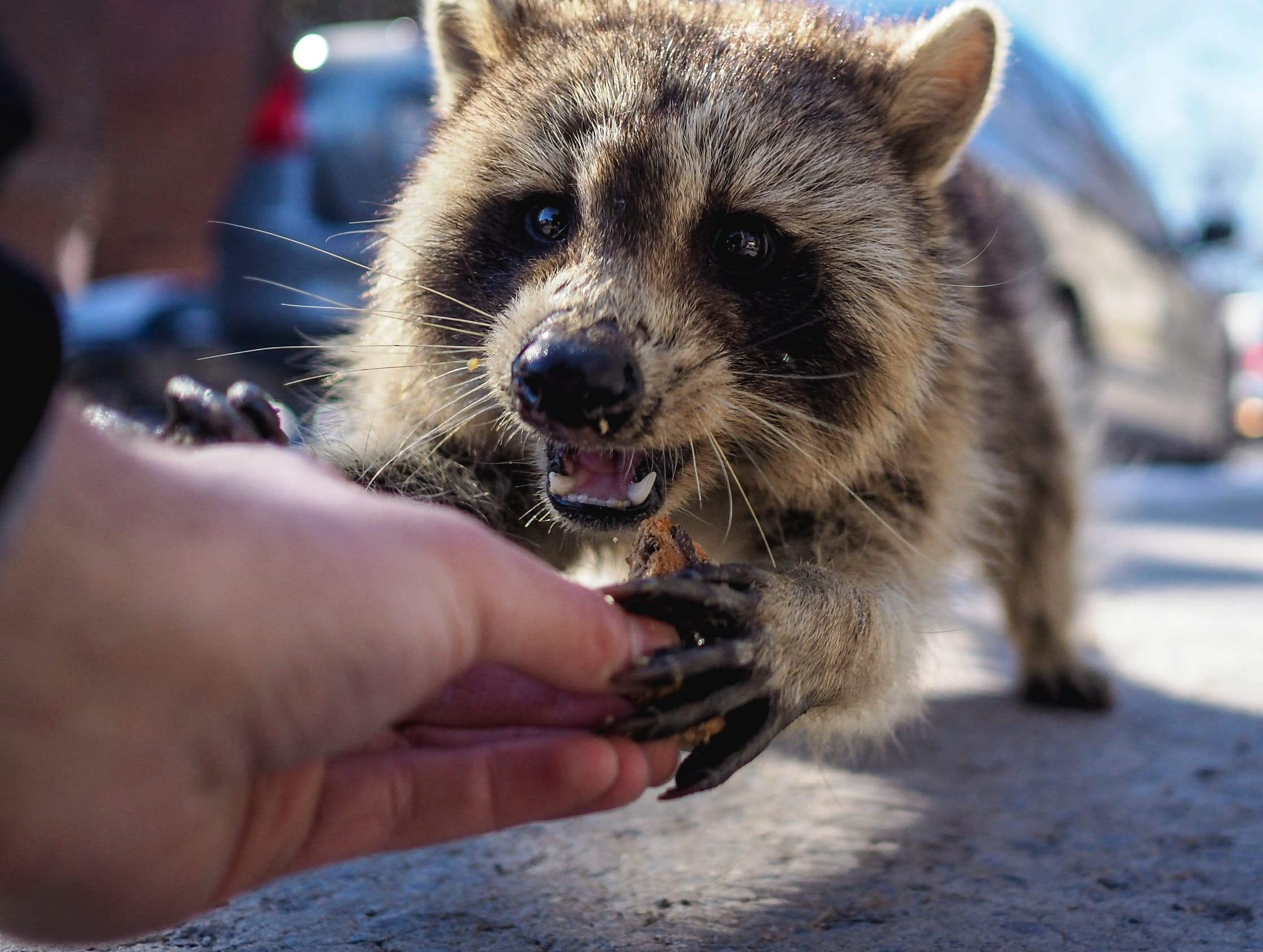
Raccoons usually target attic spaces, roof vents, soffits, fascia gaps, chimneys, and weak roofline areas. Sterex installs a one-way door over the active entry point, then returns to confirm the animal has left and repair the current animal damage.

  • Attic, soffit, roof vent, and roofline entry checks
  • One-way door setup with follow-up removal where appropriate
  • Baby removal handled as an add-on when young are present
Learn more
Squirrel removal and roofline repair in the GTA
Squirrel removal

Squirrel removal

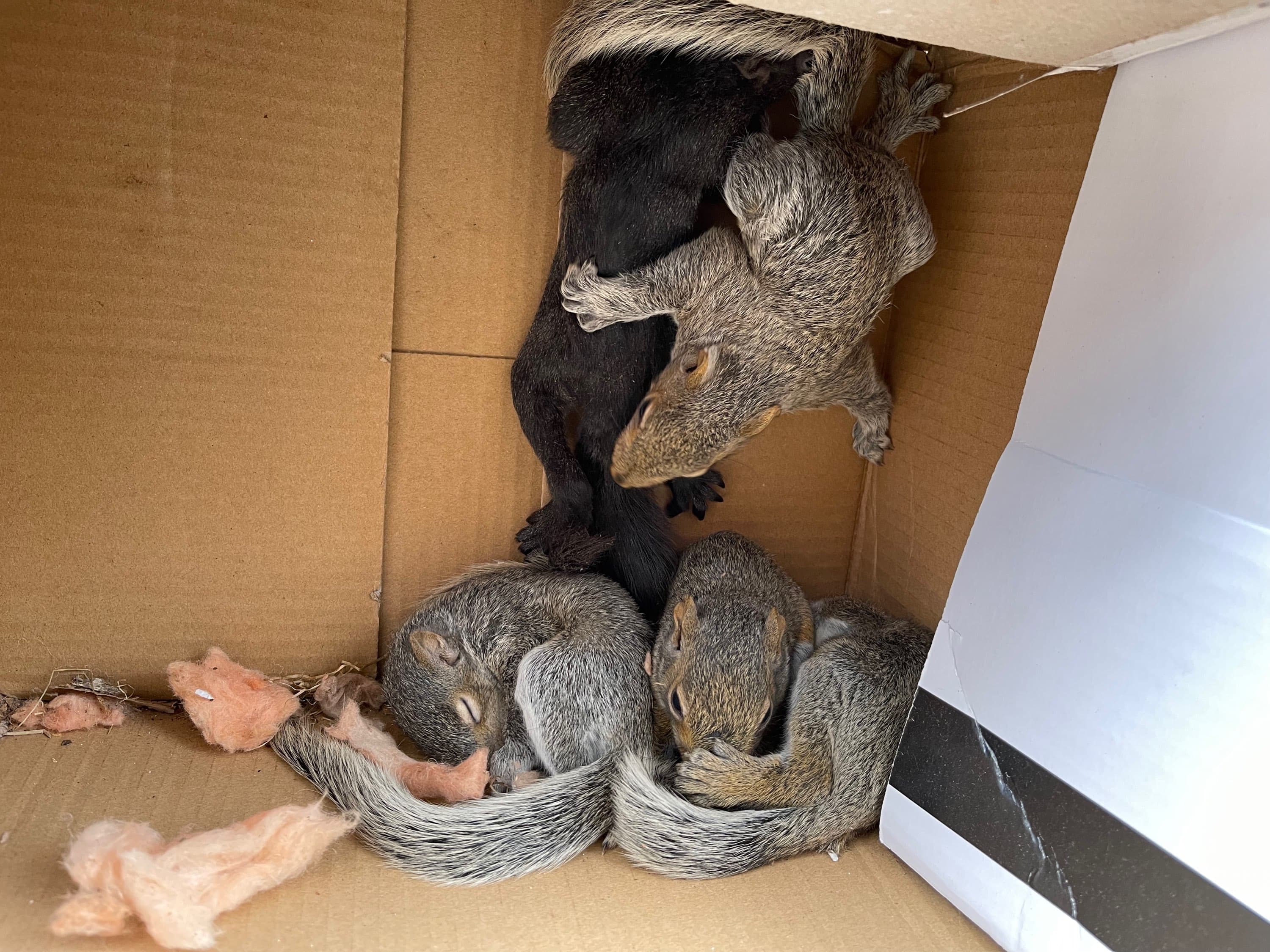
Squirrels can chew through fascia, soffits, vents, and small roofline gaps. The usual approach is inspection, one-way door installation, follow-up confirmation, and durable mesh or repair work around the entry point.

  • Roof vent, fascia, soffit, and attic activity diagnosis
  • Metal one-way doors and chew-resistant mesh where needed
  • Baby removal add-on when a nest is found
Learn more
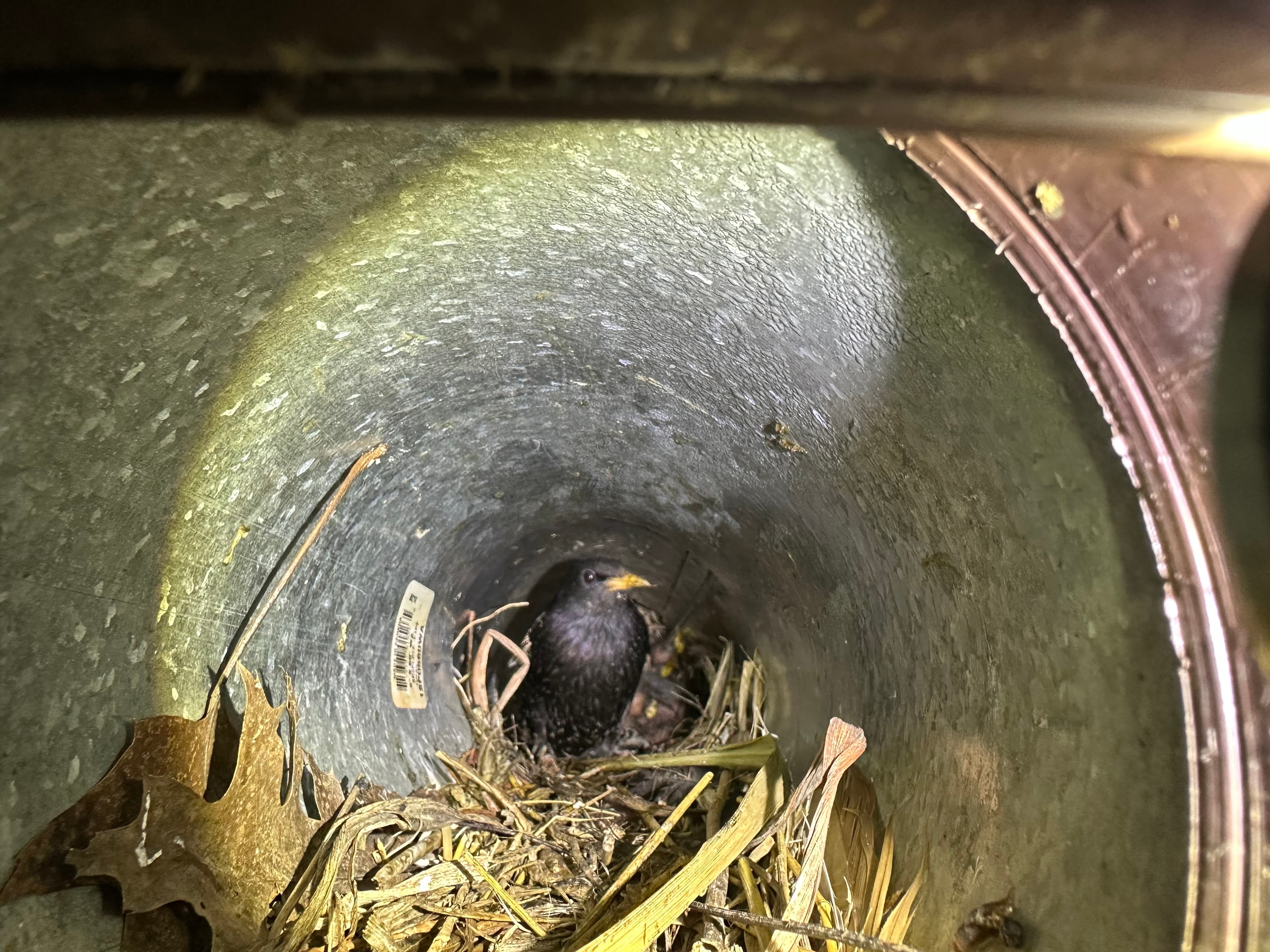
Bird nest removal and vent cover installation
Bird removal

Bird removal

Bird calls often involve bathroom vents, dryer vents, roof openings, and nesting material. Sterex removes the nest, cleans the affected area, and installs a new vent cover to prevent the same problem from returning.

  • Nest removal, cleaning, and affected vent assessment
  • New vent cover installation after cleanup
  • Prevention for vents, ledges, and repeat nesting areas
Learn more
Thermal inspection for wildlife activity
Bat removal inspection

Bat removal inspection

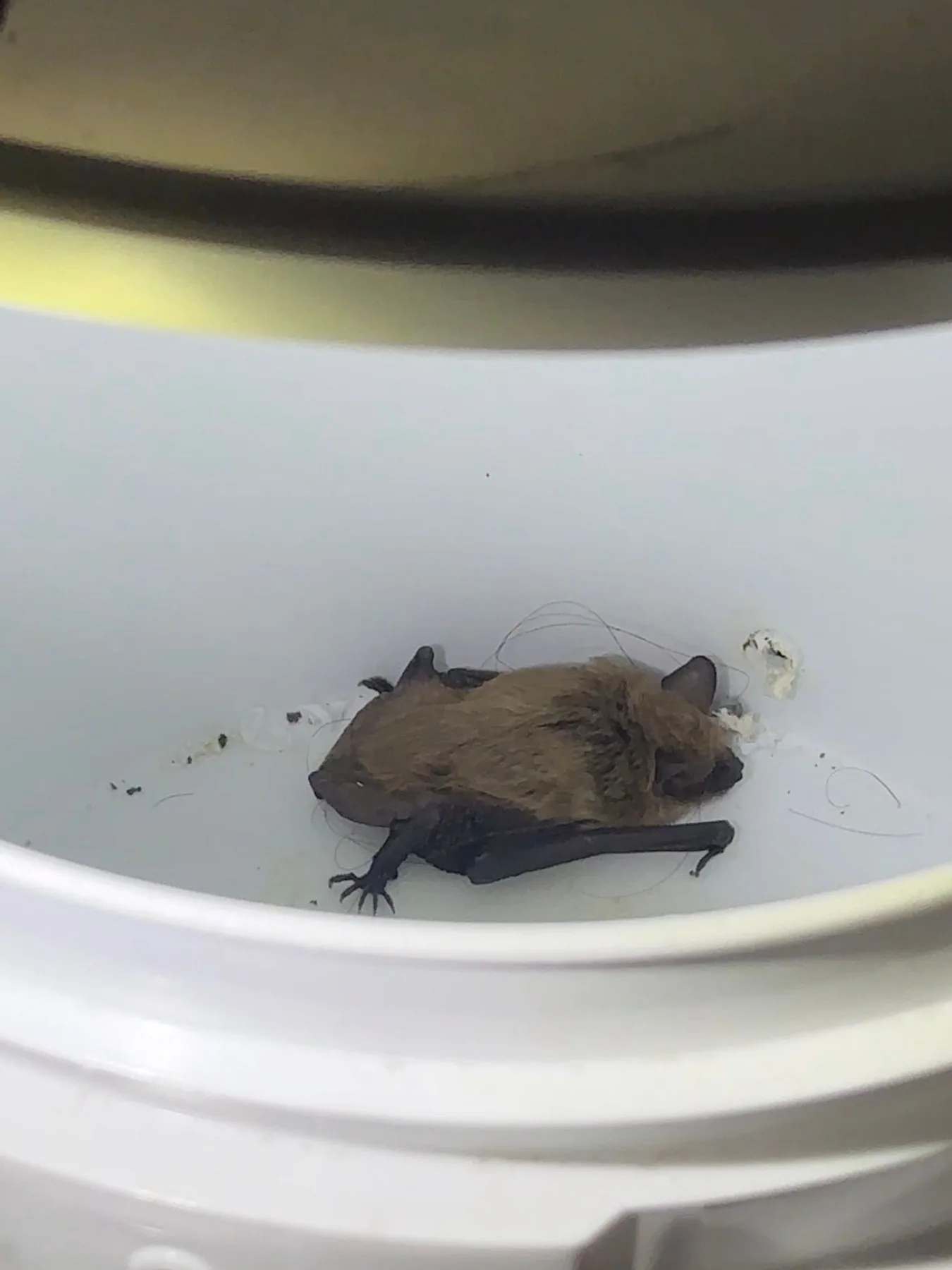
Bat work is quoted after inspection because the scope depends on access, colony size, entry points, and sealing requirements. Sterex keeps this inspection-based and focuses on safe exclusion, careful sealing, and prevention planning.

  • Quote-based inspection before removal or exclusion work
  • Entry point mapping around rooflines, vents, and gaps
  • Sealing recommendations based on what the inspection confirms
Request inspection
The usual two-visit workflow

Removal is only half the job. The follow-up is what protects the home.

Most wildlife problems are not solved by just chasing the animal out. If the entry point stays open, the same animal or another one can return. Sterex builds the job around inspection, humane exit, follow-up confirmation, and repair.

See the full wildlife process
01

Visit 1: inspect and diagnose

We inspect the roofline, vents, soffits, fascia, attic access points, droppings, tracks, nesting material, and current damage. The goal is to confirm what animal is active and where it is entering.

02

Visit 1: set up humane exclusion

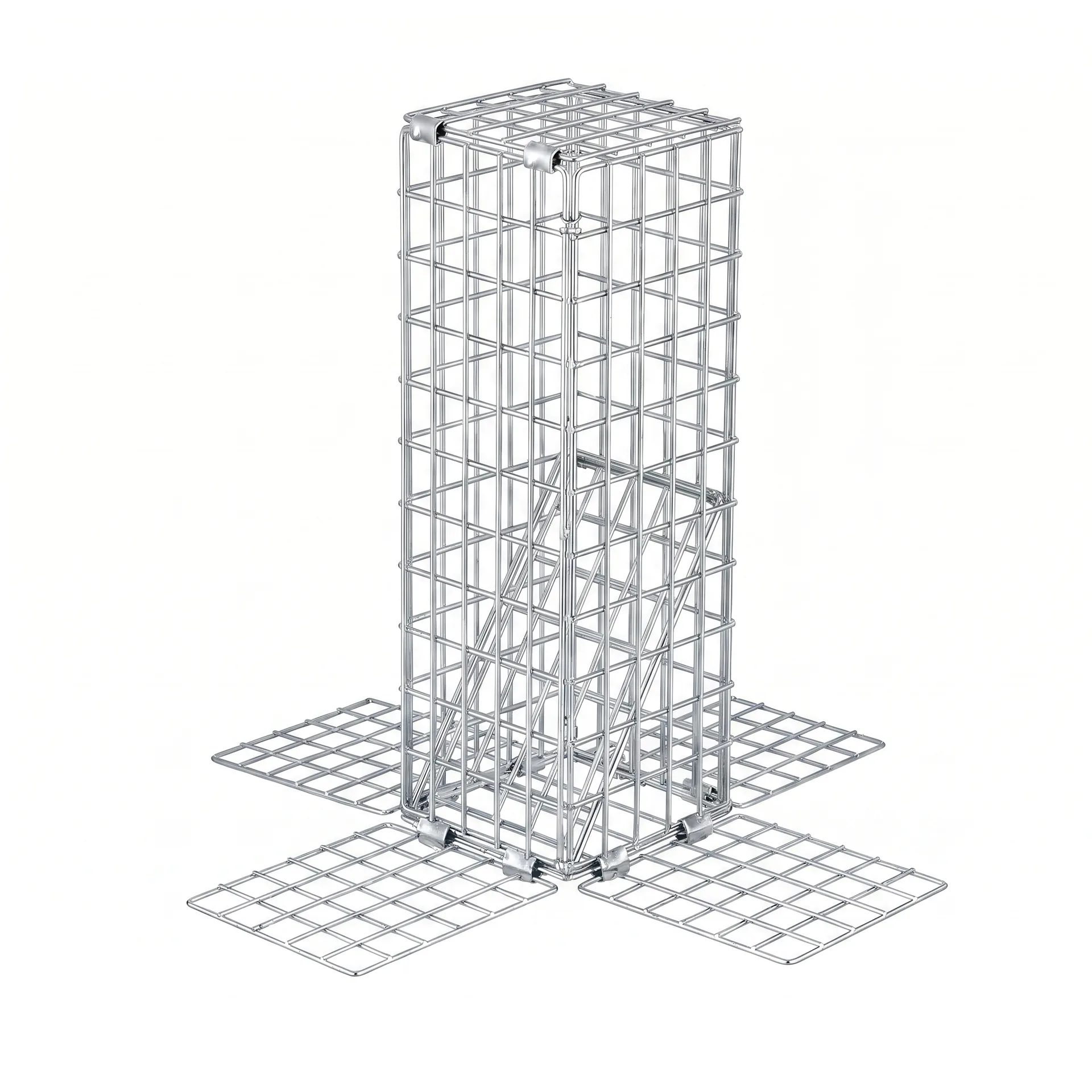
For raccoons and squirrels, the common setup is a one-way door over the main entry point so the animal can leave but cannot re-enter. Baby-season cases are handled differently when young need manual removal first.

03

Visit 2: confirm exit and repair

On the follow-up visit, we confirm the animal has left, remove equipment where appropriate, and seal or repair the current damage caused by the animal.

04

Prevention: protect weak points

When needed, we add roof vent covers, durable wire mesh, chimney or pipe cover cutouts, waterproofing where relevant, and practical prevention recommendations for the property.

Repair and prevention

We focus on the opening the animal used, then the weak points around it.

Wildlife exclusion can include sealing, waterproofing where relevant, roof or vent repair, durable wire mesh, one-way doors, vent covers, chimney and pipe cover cutouts, and long-term prevention recommendations. The scope depends on what the inspection confirms.

Current animal damage repair
Roof vent covers and vent replacement
Durable wire mesh and fasteners
Soffit, fascia, and roofline sealing
Waterproofing around vulnerable repairs
Prevention recommendations after service
One-way door installed over a wildlife entry point
Equipment and inspection tools

Better entry-point detection means fewer repeat calls.

Wildlife work can hide in tight spaces. We keep the language capability-based because the exact tool depends on the property, access, and what the technician needs to confirm.

Endoscopic camera checks

Small camera inspections help check tight voids, vent runs, soffit gaps, and hard-to-see openings without guessing.

Thermal checks where useful

Thermal cameras can help narrow down hidden activity in attics, walls, roof cavities, and insulated spaces when conditions make sense.

Roof and ladder inspection

Wildlife work is often roof-based. We inspect vents, shingles, fascia, soffits, flashing, and obvious animal pressure points carefully.

Drone-assisted review when appropriate

For steep, high, or difficult rooflines, drone checks can help review problem areas before deciding the safest access plan.

Browse shop

Wildlife products for DIY exclusion and trap rental

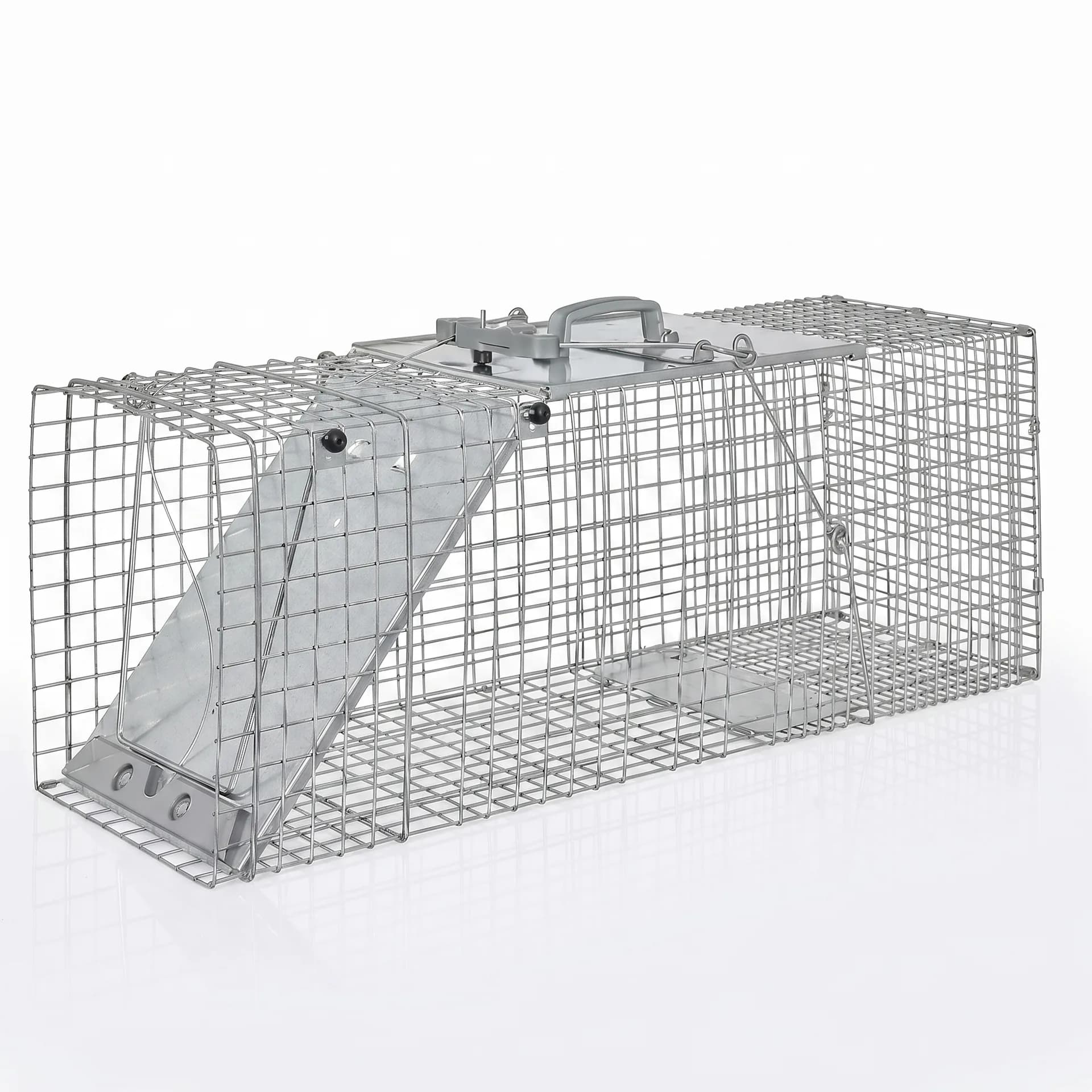
Order raccoon trap rental, raccoon one-way doors, and squirrel metal one-way doors online. For active attic wildlife, roof damage, or baby animals in a nest, book professional service instead of guessing.

Check Sterex reviews

We do not use fake named testimonials on this page. See the review page or leave a Google review after service.

View reviews
Wildlife FAQ

Direct answers before you book.

How does wildlife removal usually work?

Most raccoon and squirrel jobs involve two visits. The first visit confirms the animal, identifies entry points, and sets up humane exclusion such as a one-way door. The second visit confirms the animal has left, removes equipment where appropriate, and repairs or seals the current damage.

Do you repair the entry point after removing the animal?

Yes, when repair is part of the wildlife scope. Sterex can seal the current entry point, install mesh, repair roofline damage caused by the animal, add vent covers, and waterproof vulnerable areas where relevant.

What animals does Sterex handle?

Sterex handles common GTA wildlife issues including raccoons, squirrels, birds, attic wildlife, roof vent entry problems, and bat work after inspection. Mice and rat control are handled through pest control and rodent prevention services.

Do baby animals change the removal plan?

Yes. Spring and early summer are common baby-season periods. If babies are present, they may need manual removal before a one-way door can be used. Sterex quotes baby removal as an add-on for raccoon and squirrel jobs.

Do you offer bat removal pricing online?

Bat removal is inspection-based and quote-based. The right scope depends on access, entry points, colony activity, exclusion work, and sealing requirements, so Sterex does not list a fixed bat price online.

Seeing wildlife around the roofline or hearing attic noise?

Book service or call Sterex. We will confirm the animal, inspect the entry point, and explain the removal and repair plan before work starts.